
FAITH Active Ageing Pilot Reaches Real-World Deployment in Valencia
The FAITH project has reached an important milestone in its Active Ageing Large-Scale Pilot (LSP7). Led by ACTIVAGE in collaboration with BRIDG, the pilot has successfully transitioned from the preparation phase into real-world deployment, bringing trustworthy, AI-powered home monitoring to older adults living independently in Valencia. The pilot centres around Vitana, an AI-enabled home monitoring solution designed to support ageing in place while respecting users’ privacy. Rather than relying on cameras or microphones, the system uses passive infrared, door and key sensors to unobtrusively observe daily activity patterns. These insights help relatives and caregivers better understand changes in everyday routines while preserving the dignity and privacy of older adults.
Strong Early Results from Real-Life Deployment
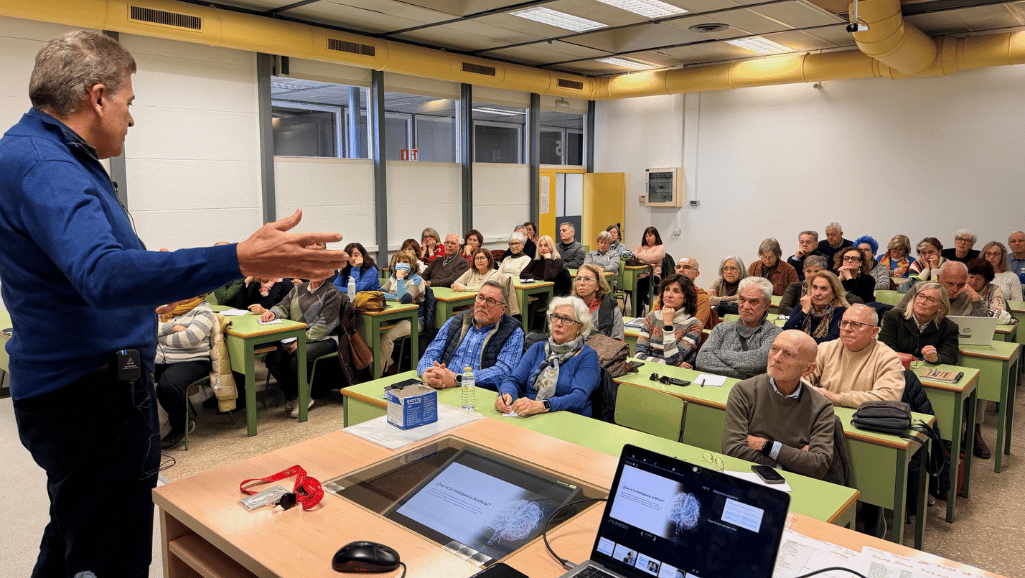
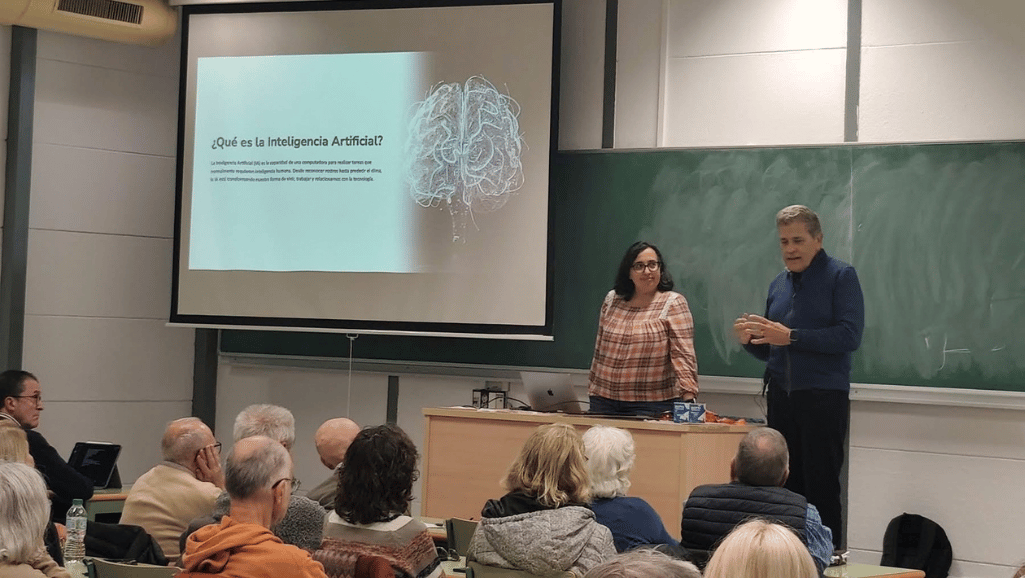
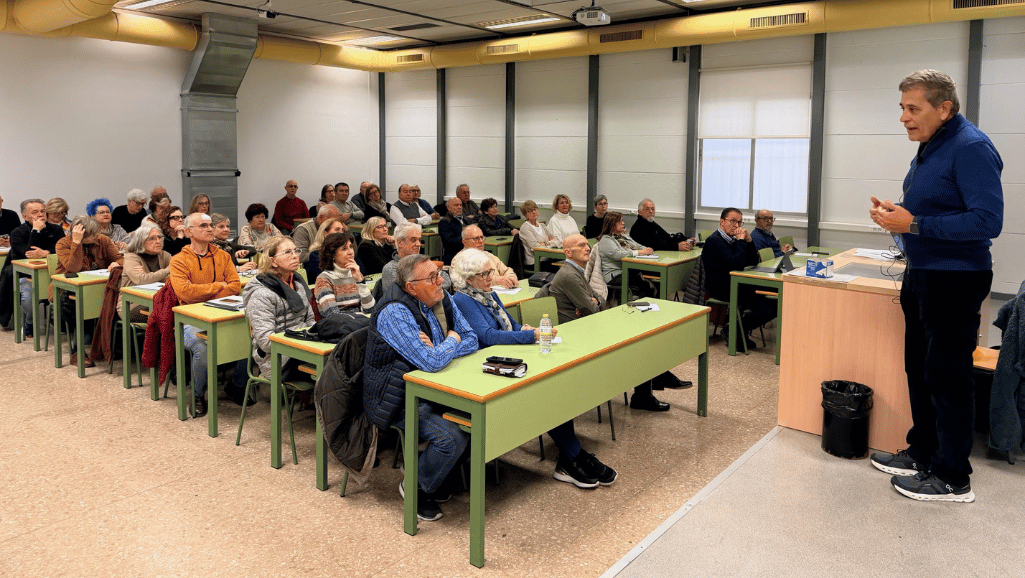
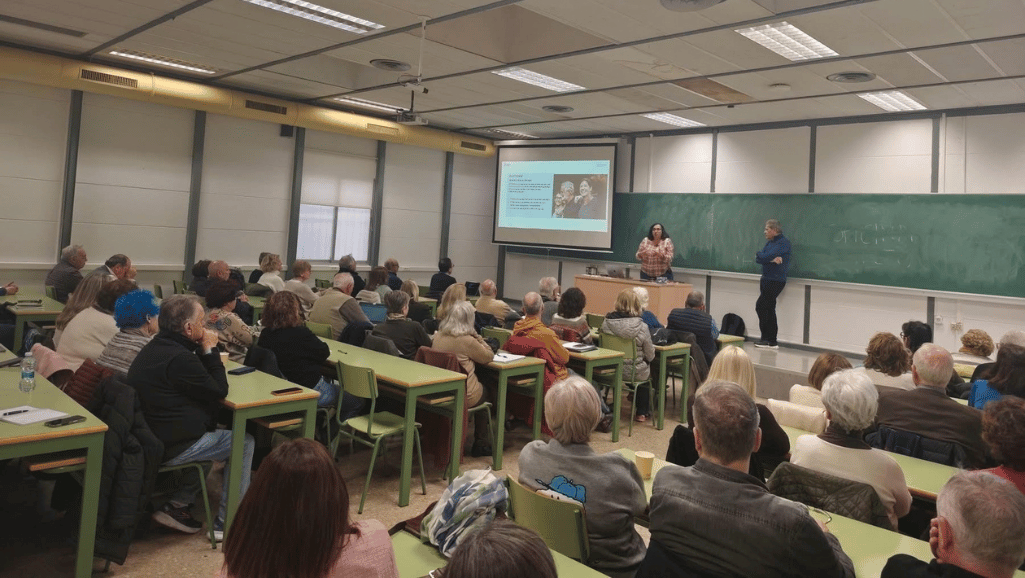
The first phase of deployment has already delivered encouraging results, demonstrating both the feasibility of the solution and its acceptance by users. The system has been deployed in 55 homes, supporting 175 active users, including 55 older adults with an average age of 85.9 years and 120 relatives and informal caregivers. To ensure the technology reflects users’ needs and expectations, the consortium organised co-creation sessions involving more than 150 participants, gathering valuable feedback across multiple trustworthiness domains. On the technical side, AI models analysed 3,456 daily activity records from 28 users, identifying four interpretable behavioural “chronotype” profiles:
- Hummingbird
- Sargeant
- Earlybird
- Owl
Rather than assigning fixed labels, the system successfully tracked changes in behaviour over time. Notably, 100% of monitored users transitioned between multiple behavioural profiles, highlighting the AI’s ability to detect evolving routines that may indicate changes associated with frailty progression.
Trustworthy AI in Practice
As a core objective of FAITH, trustworthiness was evaluated throughout the pilot using the FAITH AI Trustworthiness Assessment Framework (AI_TAF). The pilot team applied trustSense and trustGuard to assess key dimensions including:
- Validity and reliability
- Security and robustness
- Transparency and accountability
- Fairness
- Privacy
The assessment showed particularly positive feedback from caregivers regarding the system’s privacy-preserving design. Caregivers rated:
- Transparency: 4.58/5
- Privacy: 4.25/5
Meanwhile, Explainability received 3.33/5, identifying it as an important area for improvement before the final pilot phase. Privacy also emerged as a clear priority for participants, with 75.7% of caregivers describing data privacy as “extremely important.” These findings reinforce the value of the pilot’s privacy-by-design approach, demonstrating that meaningful health insights can be generated without intrusive monitoring technologies. The trustworthiness assessment also highlighted human oversight and privacy governance as key areas to strengthen before wider deployment.
Looking Ahead
The successful completion of this first deployment demonstrates that privacy-preserving, AI-enabled home monitoring can be effectively integrated into real active ageing environments. Beyond validating the technology itself, the pilot provides valuable evidence that trustworthy AI can support independent living while maintaining transparency, respecting privacy and involving users throughout the design process. As the FAITH project moves forward, the lessons learned from this deployment will inform the next replication phase across additional sites and user groups, helping bring trustworthy AI solutions closer to everyday healthcare and active ageing across Europe.